New York City’s Little Mexico
New York City’s Little Mexico pays homage to hard-working women who immigrated with a dream
As Maria Herrerra walks into her family’s restaurant on 116th Street in East Harlem, she beams with pride as she takes customers’ orders and helps the kitchen cook quesadillas.
‘Quesadillas Doña Maty,’ the restaurant, has a wood-paneled ceiling filled with Mexican-style baskets, pots and pans. Doing a complete look around, one would feel as if they were in a Mexican home. Ranchero music plays in the background. The hiss of fresh tortillas being flipped on the griddle can be heard if you’re listening closely. The walls are a vibrant blue, white and pink full of various Mexican vinyl records and a tribute to the Virgin of Guadalupe — an important saint in the Roman Catholic religion. The restaurant resembles a garden with cacti and fresh flowers sitting on each table.
Twenty years ago, Maty Herrera, Maria’s mother, immigrated to New York City from Mexico with her husband and kids with a dream of opening up a boutique. She never imagined that decades later she would have three Mexican restaurants in her name.
When immigrants migrate from their country to the United States, they tend to find people who look, speak and live like them. For Mexicans arriving in New York City in the early 90s, that sense of community was hard to find. Even harder for Herrera, whose family landed in East Harlem, otherwise known as ‘El Barrio,’ a majority Puerto Rican neighborhood.
Although Herrera and her family felt like outcasts as one of the only Mexican families in the area, they opened a small boutique on 116th Street that sold cowboy boots and hats. For Maria, she still remembers helping her parents in the boutique and worrying after only a few customers walked through the door.
Worried about putting food on the table for her children and looking for other options, Maty began selling picaditas – a typical Mexican snack consisting of a corn tortilla with pinched sides topped with salsa, onions and cheese. She saw this popular food as a tribute to her mother, who would always prepare them for her and her siblings.
With just a folding table and a portable stove, Maty sold on the street while the rest of the family helped with the boutique. She didn’t expect the food to be a hit but found more and more Mexicans coming to get a small taste of home. Once she saw she was making a profit, she also began to sell quesadillas at the stand and gave out café de olla – a Mexican spiced coffee made in a clay pot – to all of her customers for free. Then the plastic folding table became a wooden cart, but since she didn’t have a license or permit to sell on the street, she moved it inside the boutique. She realized that was the only reason customers came inside – to buy a quesadilla.
“The store would still have boots and people would actually come inside to eat and would think the boots were decoration,” Maria said. “They started believing the Western parts inside were decorations when it really was merchandise we were selling.”
Maty decided that opening up a restaurant would bring in more money and help pay her rent. Years after opening up the boutique, the Herrera family opened up ‘Quesadillas Doña Maty’ right next door.
“Not many Mexican restaurants were open here and if they were, they were becoming very Americanized,” Maria said. “What my mom was trying to do was unique.”
They had the boutique and restaurant next to each other since the two businesses were important to them. However, the boutique only lasted three years and customers kept coming in looking for her authentic Mexican food that was hard to find in the nearby area of East Harlem at the time.
“We were emotionally attached to the boutique because that’s how we started and where my brother and sisters and I grew up,” Maria said. “Once we realized there was no business, we had a small family talk and came to the idea that we had to put everything away.”
As Maria sits in one of the now three Quesadillas Doña Maty locations, she says she is in charge of one location, her sister and brother of another and then another sister is in charge of the third — all in East Harlem. She said seeing her siblings, their kids and herself managing the locations has been a “blessing for everybody.”
Maty’s business is just one of the dozens of unique Mexican businesses on a street where many other Mexican women who later arrived in the area also opened up shop, creating a large community that is known today as ‘Little Mexico.’
However, these women have also faced various problems including an increase in gentrification, an opening of a Chipotle and a lack of business during the pandemic.
After finally creating an enclave of Mexicans, they are now starting to see new apartment buildings built with more upscale dining and amenities also coming along with it. Many Latinos in East Harlem fear they are being pushed out as more white and Asian people are moving in and local businesses are slowly closing down.
The Mexican-style chain Chipotle opened up in the Little Mexico area in 2022 and immediately concerned many local business owners. They were afraid it would take a lot of their business and create opportunities for other chain restaurants to come to the area. They worried their culture would start to slowly disappear.
The pandemic also left many local businesses doubtful they would be able to survive. With many of these issues, they leaned on their neighbors and customers to keep them going.
New York City took notice of the home away from home Mexicans in the city have created and have even designated the intersection of 2nd Avenue and 116th Street as Little Mexico-Tenochtitlan.
The Little Mexico community is one full of colors, flavors and rich history
During the 1990s, an influx of Mexican immigrants began moving into the area, which led to an estimated 50,000 Mexicans arriving in East Harlem. Researchers say Mexicans had the highest rate of population growth of all the major racial and ethnic groups in New York City during those years. The number of Mexicans living in New York counted by the U.S. Census more than tripled in ten years leading to about 186,872 Mexicans in 2000.
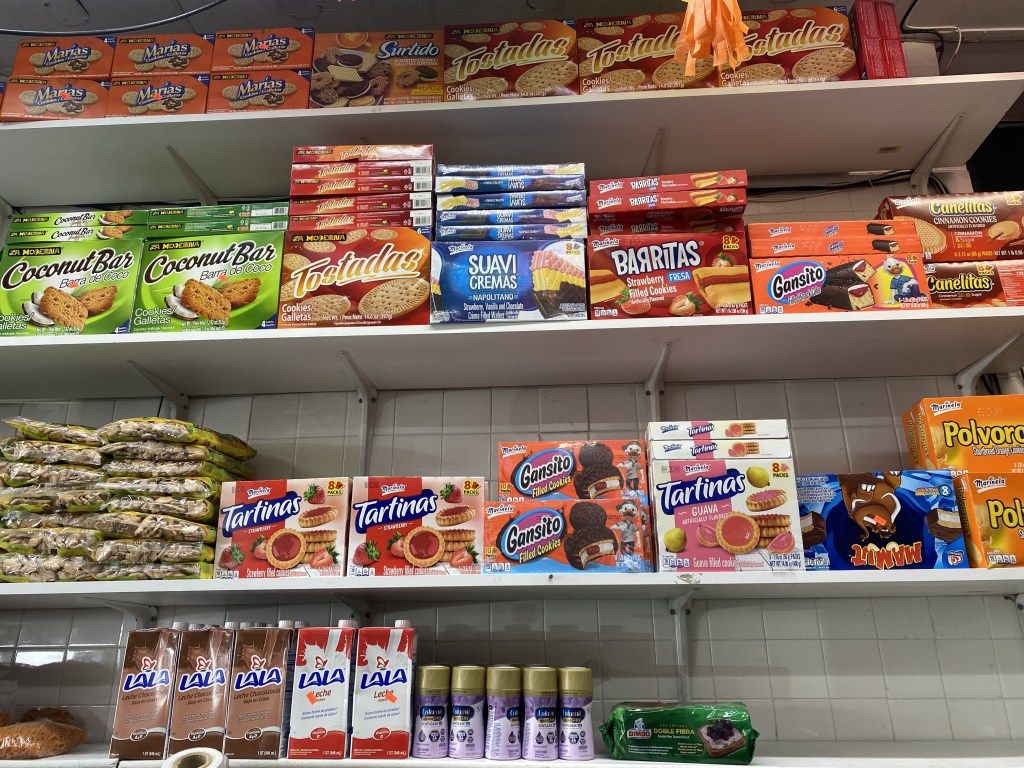
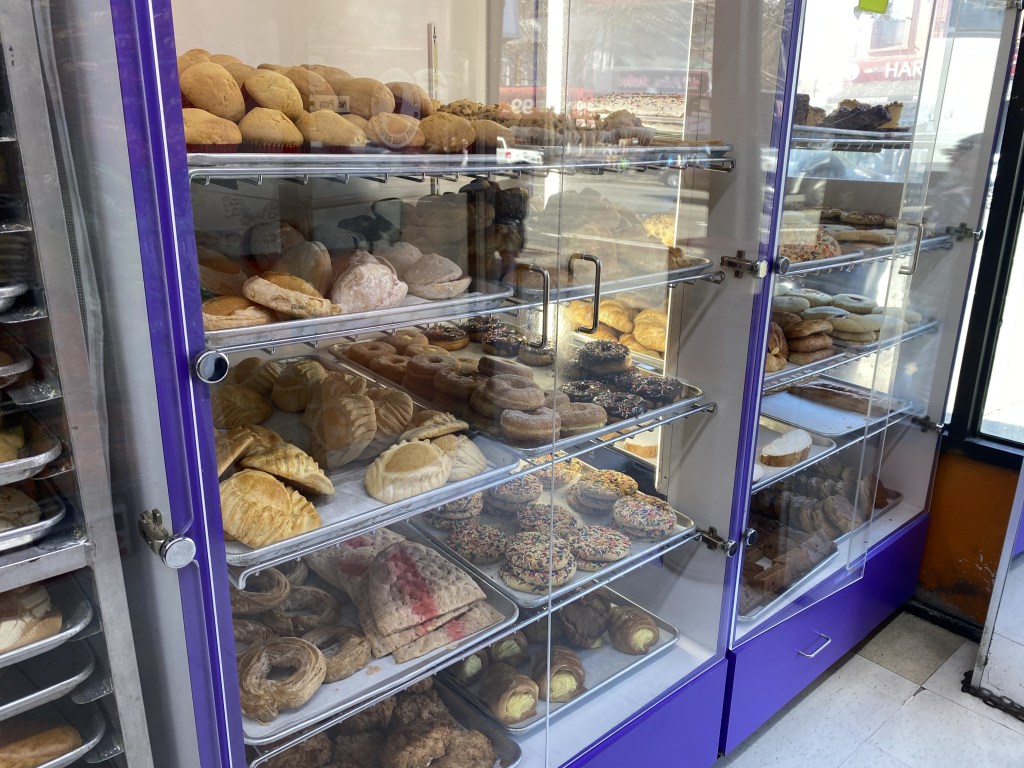
In the years prior to September 11, mainly Mexican men had begun immigrating to the Harlem and Bronx areas. Afterward, an immigration boom of Mexican families led to dozens of restaurants, delis, panaderias and grocery stores opening up in the area. Mexican immigrants opened taco trucks and tamale pushcarts in Brooklyn and Queens, panaderías and bodegas in East Harlem and the Bronx and modest hole-in-the-wall restaurants in Manhattan.
In the 1990s, Maty’s business was one of the first of its kind on the block, but then this boom led to a community in East Harlem that now embraces Mexican culture and its people.
“This area is almost entirely Mexican,” Martin Buzan, an owner of a Mexican restaurant on 117th Street said. “Every single day we have our regulars here, and then there’s people that just see the business and are curious to see what’s inside.”
“This area is almost entirely Mexican,” Martin Buzan, an owner of a Mexican restaurant on 117th Street said. “Every single day we have our regulars here, and then there’s people that just see the business and are curious to see what’s inside.”
His parents, Martha Gonzalez and her husband, Victor Buzan, own a Mexican restaurant inspired by Gonzalez’ mother’s cooking. After Buzan’s grandmother passed away in Mexico, his family dedicated their lives to cooking the recipes that reminded them so much of her.
However, it took them 11 years to get there. Every day after school, nine-year-old Martin Buzan flipped tortillas on a sizzling grill on the corner of 116th Street. It was his parent’s Mexican food stand – standing out against the gray landscape under a bright blue tarp. He said they sold tacos, stuffed tortas, flautas – and people could wash it down with a chilled horchata, a traditional Mexican drink made from rice and cinnamon.
Ever since then, his family has dedicated themselves to cooking abuela-inspired recipes. After over a decade of hard work, Buzan and his parents opened ‘Cazuela Mexicana’ in 2014 one block away from their original food stand.
The first time I walked down 117th Street, the restaurant caught my eye because of the bright yellow swings attached to outside seating right outside. Being Mexican myself, I had always found it a journey to find authentic Mexican food, so I sat down to indulge in food at Cazuela Mexicana. Minutes later, I felt welcomed and was surrounded by bright Mexican decorations and Catholic symbols. Buzan said these decorations were meant to encapsulate pieces of Mexico within the restaurant. The menu was written entirely in chalk and had the main options of tacos, tlacoyos, gorditas, flautas, quesadillas and sopes — traditional Mexican plates that left my mouth watering just by seeing it on the menu.
After ordering, I was brought freshly fried tortilla chips and green tomatillo salsa. As I waited for the food to come, friends of Buzan and his parents arrived to greet them and ask them how things were going. It felt like they were all a part of a huge family and that was the continuous feeling I witnessed throughout the area. Some stayed to eat, while others were just passing through.
Once my chile relleno taco plate arrived, I felt I was back at my grandmother’s light blue house in her village on Isla Mujeres in the Yucatan peninsula of Mexico. The green poblano pepper was fried on top of a tortilla and a bed of rice and with peppers and onions on the side. To accompany my meal I had horchata that came in a mini jarrito resembling the barrels of natural juices you would find being sold on Mexican streets.
Gonzalez, a 58-year-old immigrant from Toluca, Mexico wearing a hairnet and glasses, and Victor, a 70-year-old immigrant from the state of Guerrero in Mexico in a black Yankees cap, said they take pride in the little details that show the authenticity of their restaurant and its food. Having immigrated to New York City in 1989 and 1988 respectively, they realized the Harlem area had enclaves of Hispanic neighborhoods. However, it wouldn’t be a couple of years until their family would have a place they could call their own.
They first set up the food cart on 116th Street, but after two days there began to be pushed out by other vendors who felt that it was their territory. They moved and then began selling in 2009 on the corner of 117th Street and 3rd Avenue. After being there for 11 years, they were told they couldn’t sell there anymore due to an incoming carpet company not wanting their business in front of theirs.
They then took place across the street where they finally opened up their restaurant with Gonzalez and Victor being the main cooks working from the minute the restaurant opens to the minute it closes.
The restaurant has never changed and sold Americanized foods, as Gonzalez said many other Mexican restaurants throughout the city have in order to please Americans. Even with dishes that many may not know, she said they still get customers from various cultures and backgrounds. She said on top of the regular menu, there are daily specials and they typically rotate so that customers are never bored. Whenever her husband and her close down the restaurant for a day or even a couple of hours, they get tons of calls from customers wondering where they are and when they will reopen. Nearby workers sometimes won’t bring lunch to work because they know they’re going to buy lunch from them.
“We feel like the restaurant is now a promise to the community,” Victor said. “Our goal is to make sure all of our customers are happy because we live here and they make us happy.”
His wife is thankful to her mother, who passed down a lot of recipes and has influenced the restaurant’s menu.
“My mother sold a lot of the items we have in the markets,” she said. “That’s why we really started selling in the streets – because that is what I grew up knowing.”
“My mother sold a lot of the items we have in the markets,” she said. “That’s why we really started selling in the streets – because that is what I grew up knowing.”
She said she always saw cooking as a hobby, but was then glad she could do it daily to earn a living and support her family. Now, her family has dreams of expanding the restaurant and adding a patio to the back so that more people can enjoy their food.
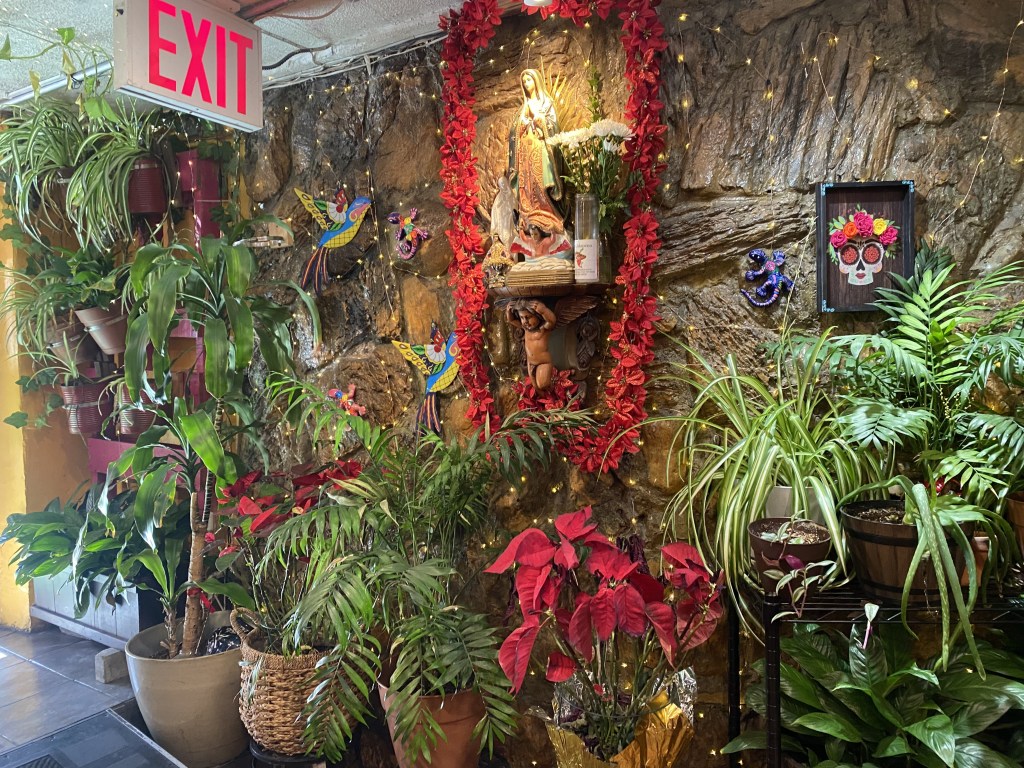
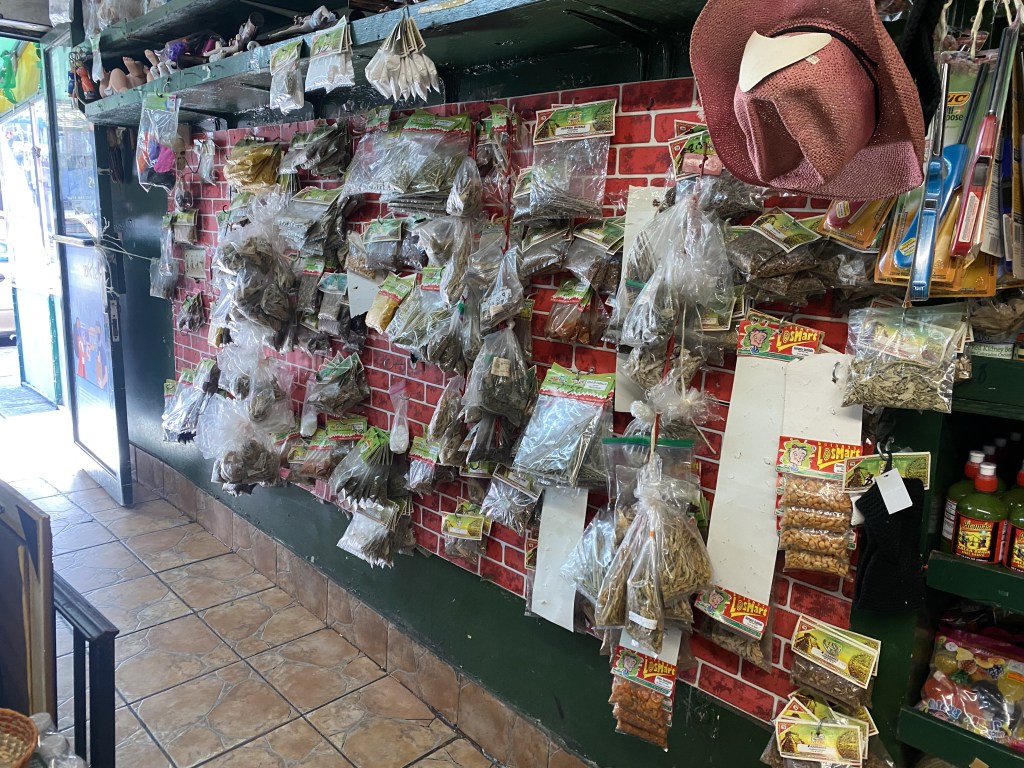
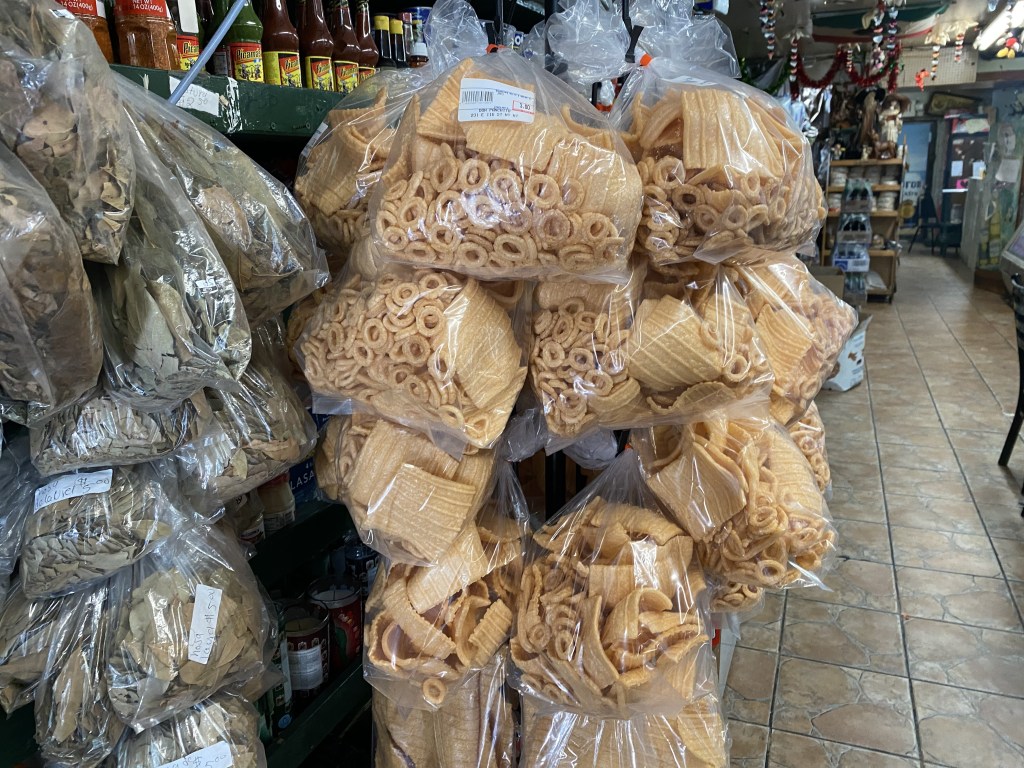
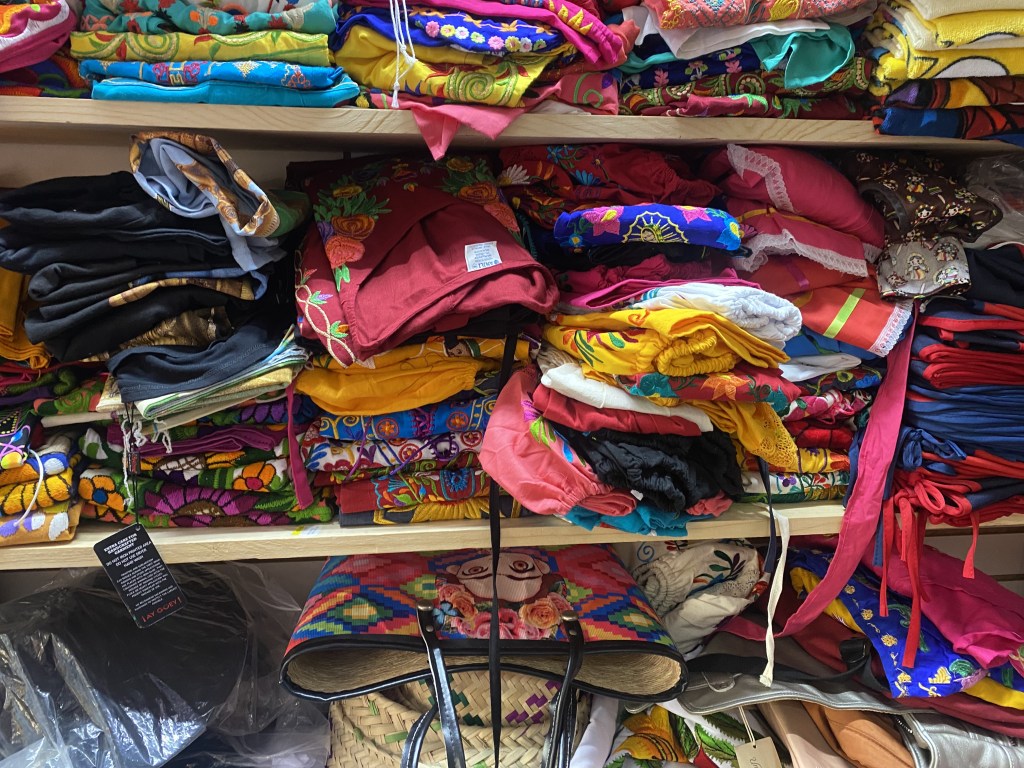
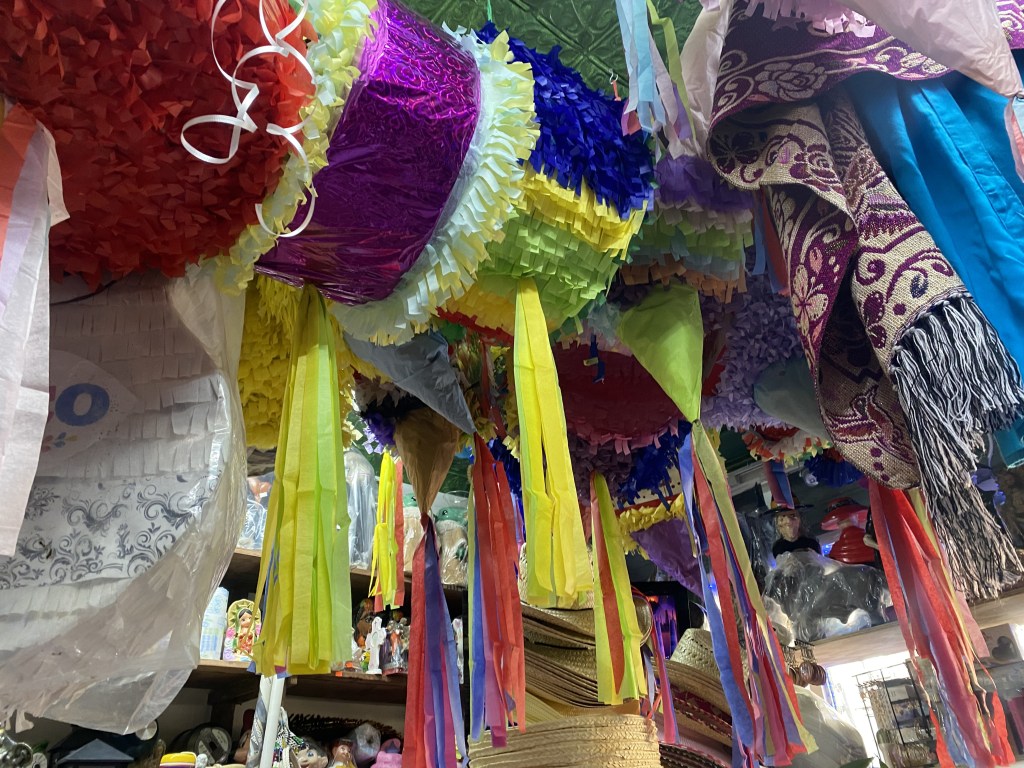
Western wear and its Mexican roots can also be found throughout the Little Mexico community
Cowboy boots, cowboy hats and cowboy belts. When one thinks of western clothing, they may not immediately think of Mexico. However, western clothing was typically worn by Mexican conquistadors and is still a staple in the country.
Many Mexican men throughout the Little Mexican community can be found wearing guayaberas – a traditional Mexican pleated shirt. It is just one of the many options that can be found in a Mexican-style western clothing store on 116th Street called ‘Azteca Western Wear.’
Walking into the store nudged between two restaurants, one would feel as if they were being transported to a Western film. The boutique was full of dozens of cowboy boots that came in all colors and racks of Mexican cowboy shirts that felt as soft as velvet.
Ilana Hernandez opened up the small location filled with various vibrant pieces of western wear from Mexico in 2018. Living in East Harlem, she never had plans of opening up a business but found herself struggling to provide for herself and her kids while going through a divorce from her husband. She knew she had to find a way to sustain herself and her family.
She realized there were already tons of Mexican restaurants in the area and knowing she would be able to travel to Mexico and back as a U.S. citizen, she got the idea of opening a boutique specializing in leather goods. Hernandez figured the area would be perfect for a boot and clothing store since it was a large Mexican community and “nostalgia sells.” Most importantly, she wanted to open up her store on 116th Street to be in contact with her community and meet tourists to share her love for Mexican culture.
Most of the clothing she sells in the store are from Guerrero and Puebla – two Mexican southwestern states that border the capital of Mexico City. She said most of her customers who walk in through the door are from those areas and her store is one of the few in the city where they can find authentic Western clothing and Mexican jewelry. While most of the clothing is from those areas, she also sells various products from other regions of the country so that there is something for everyone: earrings from the Yucatan peninsula, tejana hats from Jalisco and religious statues from Michoacán and Toluca.
Hernandez said she loves that Mexicans are very artisanal and therefore sells yarn and thread in the store. Many customers come in for the thread to make hammocks, hairnets and crochet projects.
During the pandemic, Hernandez was unable to sell for months and found it tough to make a profit and pay her rent. She then partnered with Broadway shows and any movies that needed typical Mexican western wear to make ends meet. Now, the store is back to its regular business and she said the cowboy hats are the most popular.
Many Mexican men come into the store looking for cowboy hats and belts since women in Mexico typically find the “vaquero” look – another word for a Mexican cowboy – to be sexy. Many also come in looking for belts with massive buckles that shine because it “calls for attention.” One of Hernandez’ favorite parts about working is learning new things about her community and what is in demand and what isn’t.
She also loves the community she has built, as she feels that she has gotten to know so many people through the transactions she does daily.
“From owning this store, I’ve learned that Mexican culture is present and rich not just here in East Harlem, but also in the United States as a whole,” Hernandez said.
“From owning this store, I’ve learned that Mexican culture is present and rich not just here in East Harlem, but also in the United States as a whole,” Hernandez said.
Love, respect and pride for Mexico holds the community together
Ilana Hernandez, Maty Herrera and Martha Gonzalez are all hard-working women who immigrated from Mexico and opened up businesses to provide for their families. Maria Herrera helped her mother and has followed in her footsteps.
Their love for Mexico is bigger than the country itself and is apparent in their everyday lives as businesswomen.
Herrera said she loves how welcoming the Mexican community can be and how whenever she meets another Mexican person in the area, they treat her like family and immediately accept them.
“We treat you like family even if you’re a stranger,” she said. She often refers to the popular Mexican saying “Donde come uno, comen dos, comen tres,” which translates to “Where one eats, two eat and three eat.” Growing up, her mother would never turn anyone down from coming over and enjoying a meal at their home, and they apply this same ideology at their restaurant.
Gonzalez said she loves how big Mexico is and that even though all of the states in the country have a lot of differences, they also have similarities that show Mexican traditions and customs. Her and her husband support the different traditions of the states by also supporting other businesses in the Little Mexico community.
“We sometimes buy from nearby Mexican stores when we need something quick or in small quantities,” Gonzalez said. “We support them and they support us.”
The couple also loves to try different foods within the community to support and to see what other restaurants are selling and what makes them unique.
“You almost forget when you’re here that you’re not in Mexico,” Gonzalez said.
For Hernandez, she said the diversity of culture in Mexico is one of her favorite qualities of the country.
“A country like Mexico has a lot to offer,” she said. “The foods are all different in each state and even the people can range in how they look. We aren’t all the same.”
Like many immigrants that arrive in the United States, Maty had been hoping to stay for a couple of years, make money and go back to make whatever circumstances they had at the time better. Then Little Mexico emerged and led to a successful chain of restaurants and most importantly, a home away from home.
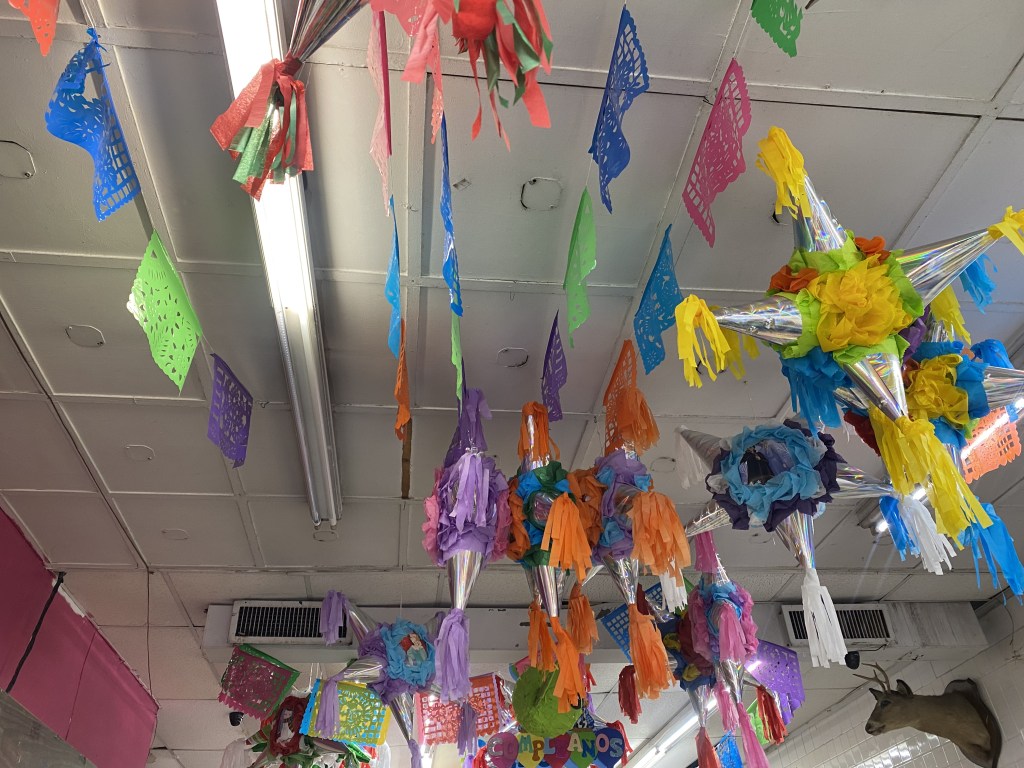
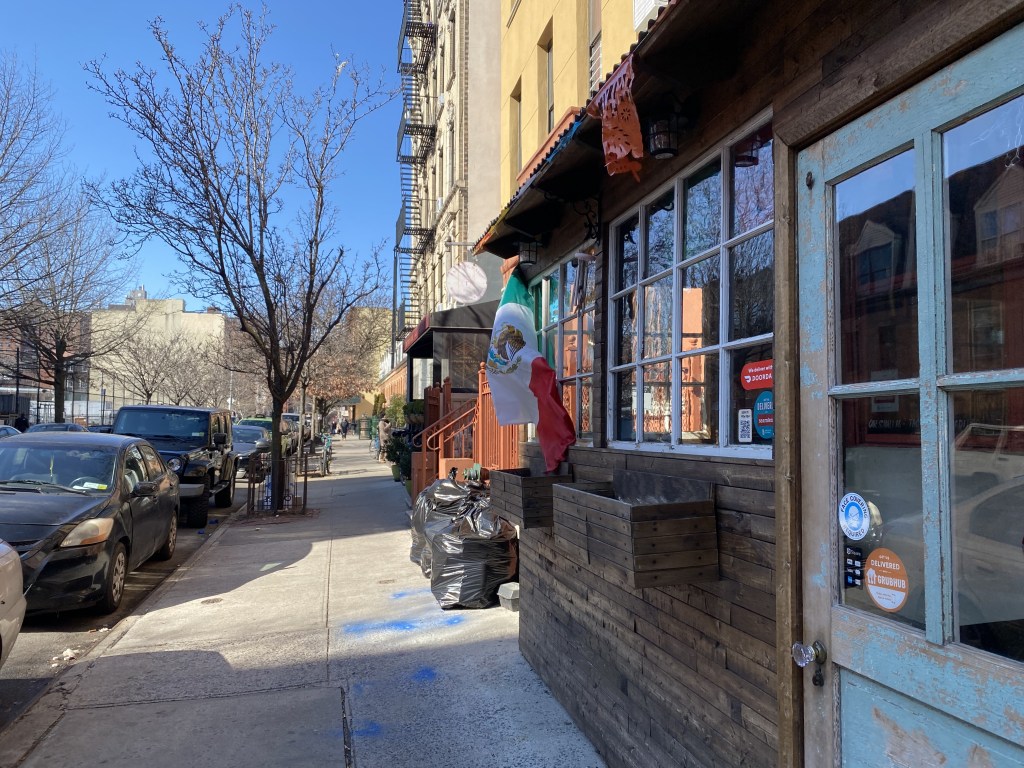
These women have built a strong sense of community in the streets that are full of colorful Mexican flags, carts of yellow corn mixed with mayo and chili powder and huge plastic jars of horchata, hibiscus juice and mango juice waiting to be poured into cups. Women can be found buying churros for their children, men speaking in Mayan on the sidewalk and people using tongs to select what orejas, cuernos and conchas to place on their trays at the bakery. But most importantly, one will find love, respect and pride radiating from the Mexican members of the community.
 Maya Brown