NYCHA’s mishandling of funds has created consistent poor living conditions for residents
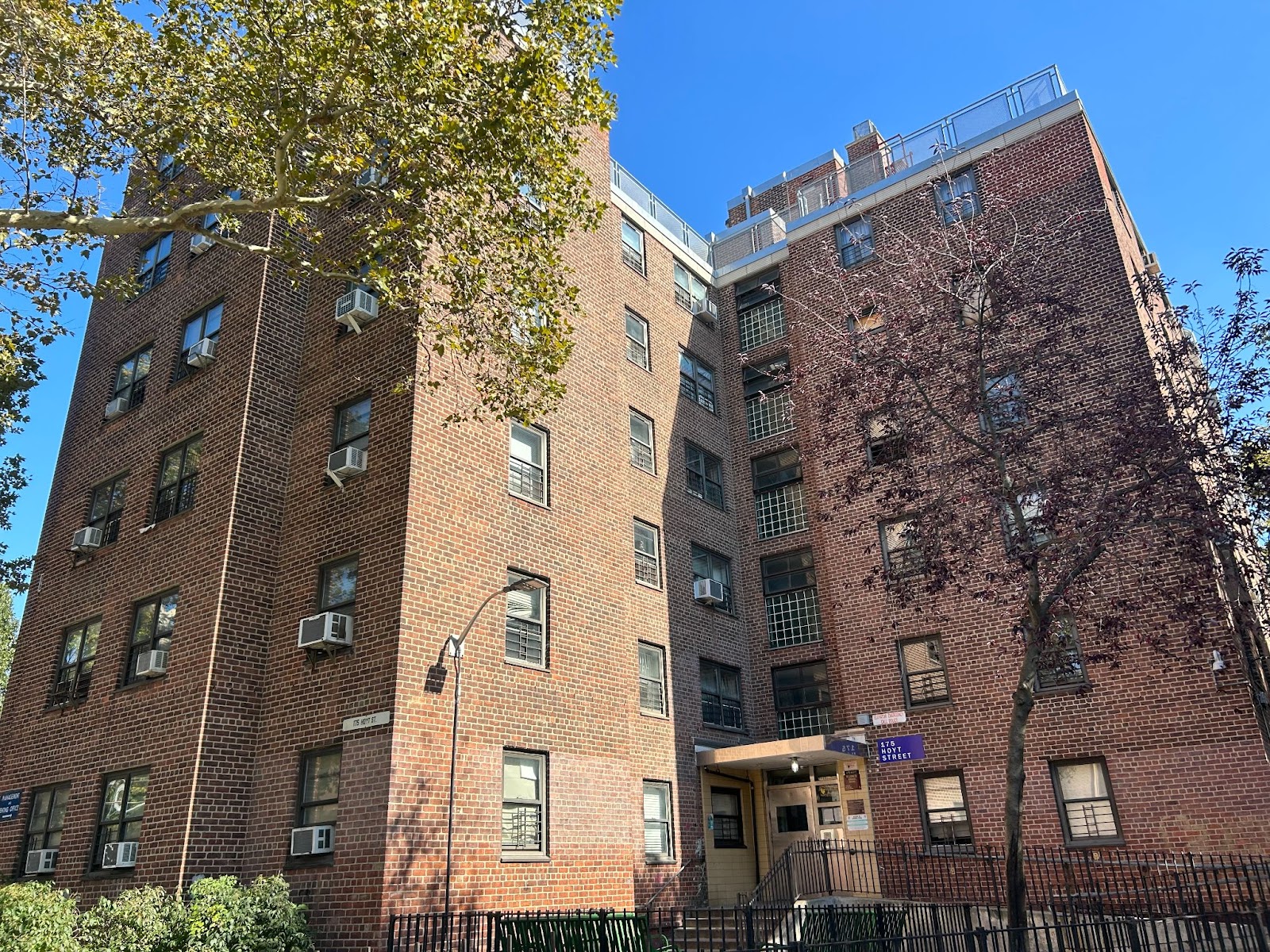
When Bernard Smith first spotted mildew and black spots growing on the bathroom walls in his apartment, he became worried and immediately called it in. The 73-year-old didn’t think it would be the start of an endless chase to get rid of it.
New York City Public Housing Authority (NYCHA) sent painters to paint over the mold spots believing the mold was remediated and the more than 50-year resident of Morris Houses in the Bronx spotted more of it two months later. His worry then turned into fear. Smith couldn’t stop thinking about the air his kids and grandchildren would breathe in when they visited him – a toxic air that would send him into coughing fits.
After months of believing the mold was remediated, Smith was woken up in the middle of the night by water dripping onto him from the ceiling as he slept. He then saw more mold on the walls and knew it was finally time to start advocating for himself and other residents so that repairs could be quickly taken care of.
“I didn’t know how dangerous it was,” Smith said. “I let my kids and grandkids use the bathroom and they even started sneezing and coughing. I knew it was part of it.”
Smith is just one of the thousands of residents in NYCHA apartments dealing with uninhabitable poor living conditions.
An investigation into NYCHA’s handling of funds has shown years of neglect leading to extremely poor living conditions for its more than 450,000 residents. NYCHA has been ignoring complaints about living conditions in almost 200,000 apartments and instead has been focusing on more long-term projects including the privatization of public housing.
NYCHA is using a new physical needs assessment that has estimated all needs over the next 20 years would cost $78.34 billion – a large amount that almost seems unattainable due to its current funding. NYCHA typically receives funding from four sources: rents paid by tenants, federal funding, state funding and funding from city subsidies. NYCHA’s current budget for 2023 is $4.38 billion.
However, the amount of funding has dramatically decreased over time, showing true disinvestment in NYCHA on all levels.
Since New York City Mayor Eric Adams took office, the city has reduced the funding it transfers for operating support of NYCHA by $70 million from 2022 to 2025 — a 6 percent decrease compared with the last administration’s budget. According to the city council, NYCHA’s five-year 2023-2027 capital program totals $8.6 billion, a fraction of the over $40 billion needed to repair their stock of housing.
NYCHA says since there is a lack of funds, they are forced to instead conduct local repairs when comprehensive capital projects are truly needed. These local repairs have left residents who live in buildings with systemic issues that consistently reappear.
“The funding that NYCHA does have needs to be used properly, efficiently and effectively,” the NYCHA Monitor team said. “We can ebate mold and that will create healthier conditions for individual units, but if the piping systems continue to fail, mold will occur and that will require billions of dollars in funding, which has not yet been identified.”
NYCHA MOnitor team
“The funding that NYCHA does have needs to be used properly, efficiently and effectively,” the NYCHA Monitor team said. “We can ebate mold and that will create healthier conditions for individual units, but if the piping systems continue to fail, mold will occur and that will require billions of dollars in funding, which has not yet been identified.”
Many residents said they need larger repairs to increase the quality of their living conditions. These repairs can be categorized as capital improvements – permanent alterations that improve how a system as a whole works.
“A lot of government money and a lot of allocations from individual elected officials are capital oriented, but what NYCHA also really needs is operational funding in order to support the capital improvements that are needed,” the NYCHA Monitor Team said. “That’s a significant hurdle.”
Instead of conducting these vital comprehensive capital projects, NYCHA continues to focus on privatizing by pushing residents into Section 8, which is a voucher program that assists eligible low and moderate-income families to rent housing in the private market. Simultaneously, NYCHA continues to disinvest in Section 9, public housing under the Affordable Housing Act – an issue many residents are extremely concerned about.
While Section 9 housing relies on tenant payments, operational funding and capital funding, Section 8 relies on tenant payments and access to private financing, as well as other public subsidies which are typically reserved for the private sector.
Jackson Gandour, a Human Rights Watch fellow, authored two reports in 2022 regarding NYCHA – “We Deserve to Have a Place to Live” focusing on the underfunding of public housing and its effects and “The Tenant Never Wins” focusing on the private takeover of public housing. He said NYCHA used to be lauded as one of the best public housing authorities in the country, however, the rate of deficiencies has only quadrupled over the years.
Smith still remembers being excited to move into his first public housing apartment back in 1986 and knowing it was a saving grace for his family. He said that over the years, conditions started to deteriorate rapidly and it started to become less of a “resident first” establishment. He recalls seeing NYCHA staff at developments and checking in with residents but said it hasn’t happened in decades.
“NYCHA has acknowledged that substantial financial investments are needed to maintain its infrastructure and offer its residents safe and sanitary housing,” NYCHA said in the 2023 report on mold and leak response efforts. “Without this capital investment, NYCHA is at risk of continued expansion of its work order backlog and worsened conditions for its residents.”
The Human Rights Watch gave recommendations following its investigation into these new efforts of privatization and said Section 9 and NYCHA need to be immediately fully funded, and privatization should be limited and evaluated.
Many public housing residents agree with these recommendations and are pushing for NYCHA to address their repairs and invest in public housing instead of converting and upgrading developments in partnership with private and non-profit funds.
NYCHA has been resorting to federal programs like the Rental Assistance Demonstration, also known as RAD, which has now been rebranded as Permanent Affordability Commitment Together, or PACT. The first PACT project was announced in May 2015 and there are now more than 30,000 residents in more than 15,000 apartments within 61 PACT developments.
Private companies benefit from government subsidies and tenant rents when they get involved and take over public housing buildings. By using RAD to convert apartment units from Section 9 to Section 8 housing, NYCHA can rely more on money from Section 8 vouchers. Data shows that in 2022, Section 8 vouchers accounted for 35 percent of NYCHA’s total revenue.
Many residents and advocates believe that an adequate use of funds would enable NYCHA to stop resorting to potentially risky programs like RAD.
Christina Chaise is a tenant at the Ravenswood Houses in Queens and is a member of TakeRoot Justice. She has been very active in advocating for Section 9 and housing justice, particularly within NYCHA. She also believes residents shouldn’t have to sacrifice their Section 9 lease to get the repairs they deserve.
Before public housing, Chaise was living in a small illegal basement with her family. NYCHA was a dream for Chaise because she finally got her own room, but over the years, living conditions also got worse for her.
Chaise said that in the last two decades, NYCHA has been drained of its resources on a federal level, which has led to many superficial repairs. She said the real foundational changes that need to happen don’t happen.
Danette Chavis has lived in public housing for the majority of her life and is advocating for these changes to occur so there can be better conditions for residents. She even created a Facebook group for NYCHA residents to express their concerns and issues.
“There’s been no accountability, just a steady moving forward towards privatization, which further puts us at risk,” Chavis said. “We’re going to end up in the same set of circumstances where repairs are needed and they are delayed or they are given and it’s shoddy work.”
danette chavis, a nycha resident and advocate
“There’s been no accountability, just a steady moving forward towards privatization, which further puts us at risk,” Chavis said. “We’re going to end up in the same set of circumstances where repairs are needed and they are delayed or they are given and it’s shoddy work.”
Social justice advocates and residents have been pushing for more oversight regarding repairs for years
Complaints from NYCHA residents are nothing new. Since its inception in 1936, residents have been sounding the alarm on various issues for decades and have waited years with little to no action ever taken.
In December 2013, the Natural Resources Defense Council, Manhattan Together, South Bronx Churches and lawyers from the National Center for Law and Economic Justice filed Baez v. New York City Housing Authority, a class-action lawsuit against NYCHA on behalf of residents who were suffering from the effects of unresolved mold issues in their apartments. The suit showed how residents were suffering from asthma caused by their living conditions.
Smith says this is still an issue that is affecting residents in his building in the South Bronx – an area that is already severely polluted and has high asthma rates. Studies show mold and damp building exposure is a major factor in the asthma epidemic.
According to the complaint, NYCHA’s “failure to make reasonable accommodations and modifications in policies, practices and procedures to effectively abate mold and moisture in the plaintiff’s apartments denies them an equal and meaningful opportunity” to use, benefit from and enjoy public housing. The suit alleged that NYCHA violated the Americans with Disabilities Act of 1990, the Fair Housing Amendments Act of 1988 and the Human Rights Law.
Maribel Baez, Felipa Cruz and A.S. – the three plaintiffs in the suit – all suffer from asthma and the mold in their apartments had been exacerbating their symptoms making it difficult for them to breathe. They all filed requests in December 2012 and when the suit was filed a year later, had still not heard back from NYCHA.
In 2018, New York City reached a settlement following this federal investigation to improve mold conditions in buildings. The agreement included the rollout of the Mold Busters program, improved training for staff, independent specialists and updated operational policies for NYCHA.
The Mold Busters program has helped NYCHA with better tools to identify and fix mold’s root causes, has provided enhanced training to staff members and has created a new inspection and record-keeping system. It has become their standard procedure for mold. Before the development of Mold Busters, the rate of mold recurrence was nearly 40 percent and was redacted to roughly 14 percent by early 2023.
Due to the absence of an accurate data process to measure NYCHA’s compliance with remediating mold promptly, the court also appointed an independent data analyst as part of NYCHA’s consent decree. Stout, an advisory firm specializing in investigations, was appointed as the analyst, and one of their primary roles was to operate an independent call center to field resident complaints and ensure NYCHA resolves complaints in a timely fashion.
This led to the creation of the Ombudsperson Call Center (OCC) in 2018 and an Ombudsperson in 2019 to address tenant complaints specifically for mold and moisture problems. The OCC is available for residents of both NYCHA and PACT/RAD developments. They receive complaints after residents have first contacted their property manager about the mold or leak problem and are dissatisfied with the response.
According to the OCC, they have served over 17,000 residents with mold and leak-related work orders since its launch.
“Residents who reach out to the OCC often live with severe conditions that may negatively impact physical and mental health like ongoing leaks or severe mold,” the report said. “Some are forced to relocate while units are in disrepair, as some work orders take months or years to be resolved.”
Blanca Ramos woke up one day to take a shower and realized discolored water was dripping from her bathroom walls into her bathtub. The 65-year-old wasn’t too surprised by it, as she has been living in public housing since she was five years old and has seen everything from leaks to mold. This comes after she had a flooding issue in her apartment months ago as a result of a leaking pipe that was never fixed correctly.
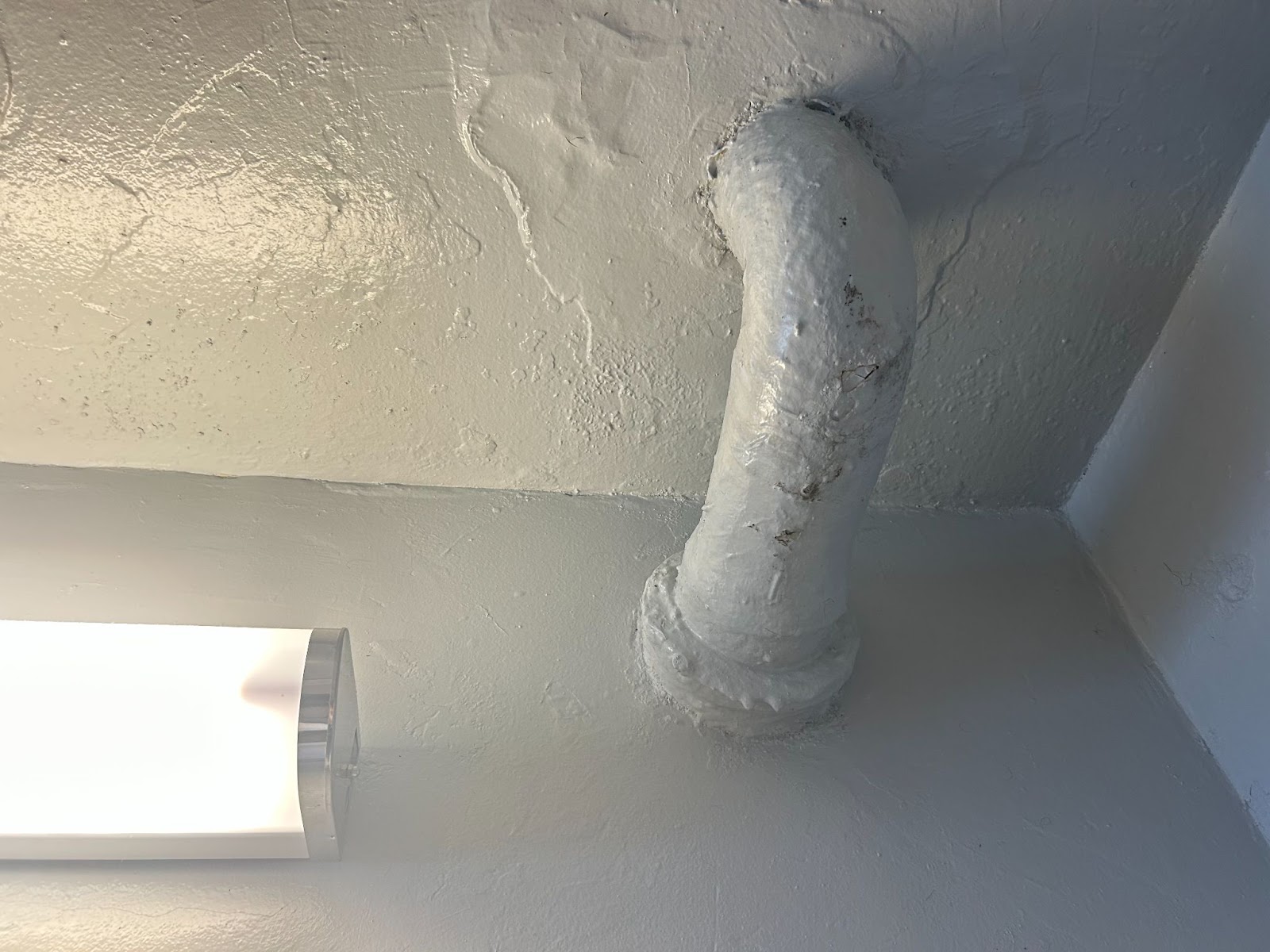
Ramos’ three-bedroom apartment on the Lower East Side has been her home for 40 years, but she’s had to consistently advocate for her repairs to be fixed by the New York City Housing Authority. However, the creation of the OCC has helped things move a bit faster.
Most resident-reported complaints to the OCC involve a breakdown in communication between the resident and NYCHA. Ramos said she works with the OCC to make sure NYCHA addresses her complaints and completes root case repairs.
Both Ramos and Smith said they believe many residents still don’t know about the OCC and its main purpose. From December 2021 to January 2023, there was a 70 percent decline in active resident complaints to the OCC, but the report says the decrease may also be attributed to a lack of awareness. In January 2023, only approximately 4 percent of residents with open mold work orders had contacted the OCC.
Both of them have been spreading the word about the OCC to their neighbors – a majority of whom are elderly or disabled.
“When I call the OCC they are on the repair right away,” Smith said. “A lot of people don’t know about it, so I give everybody their number. I have to advocate for people in public housing and in my development.”
The OCC has identified some of NYCHA’s operational challenges including the need for multiple appointments to complete the repair process, scheduling delays, missed appointments worsened by scheduling delays and improperly closing work orders.
In addition to the OCC, the suit led to the appointment of a federal monitor to scrutinize NYCHA’s progress in dealing with some of its most serious problems, including lead, mold and heating failures. The federal monitor team led by Bart Schwartz focuses on systemic changes as opposed to individual complaints.
“NYCHA has never had this kind of systemic oversight or systemic analysis of their issues, which is why they were not able to solve some of these systemic issues because they were not able to assess the scope of work that needs to be done for them to comply with what the federal government requires in terms of decent, safe and sanitary conditions,” the NYCHA monitor team said.
In the creation of the agreement, the federal monitor did not set the standard for compliance or how long repairs should take. Since the agreement was envisioned even before the appointment of the actual monitor, as the monitor came in with specific mandates, none of the parties that created the agreement understood how long it would take NYCHA to mitigate issues.
“This is very significant because you’re creating a requirement that you really don’t know what the capacity is and you’re also aware of the resources that are needed and that are vast,” the NYCHA Monitor team said.
In NYCHA’s report on their mold and leak response efforts released this year, they mention the authority’s progress, challenges and next steps, which outlines mold work orders and what they have been doing to prevent mold occurrence and recurrence.
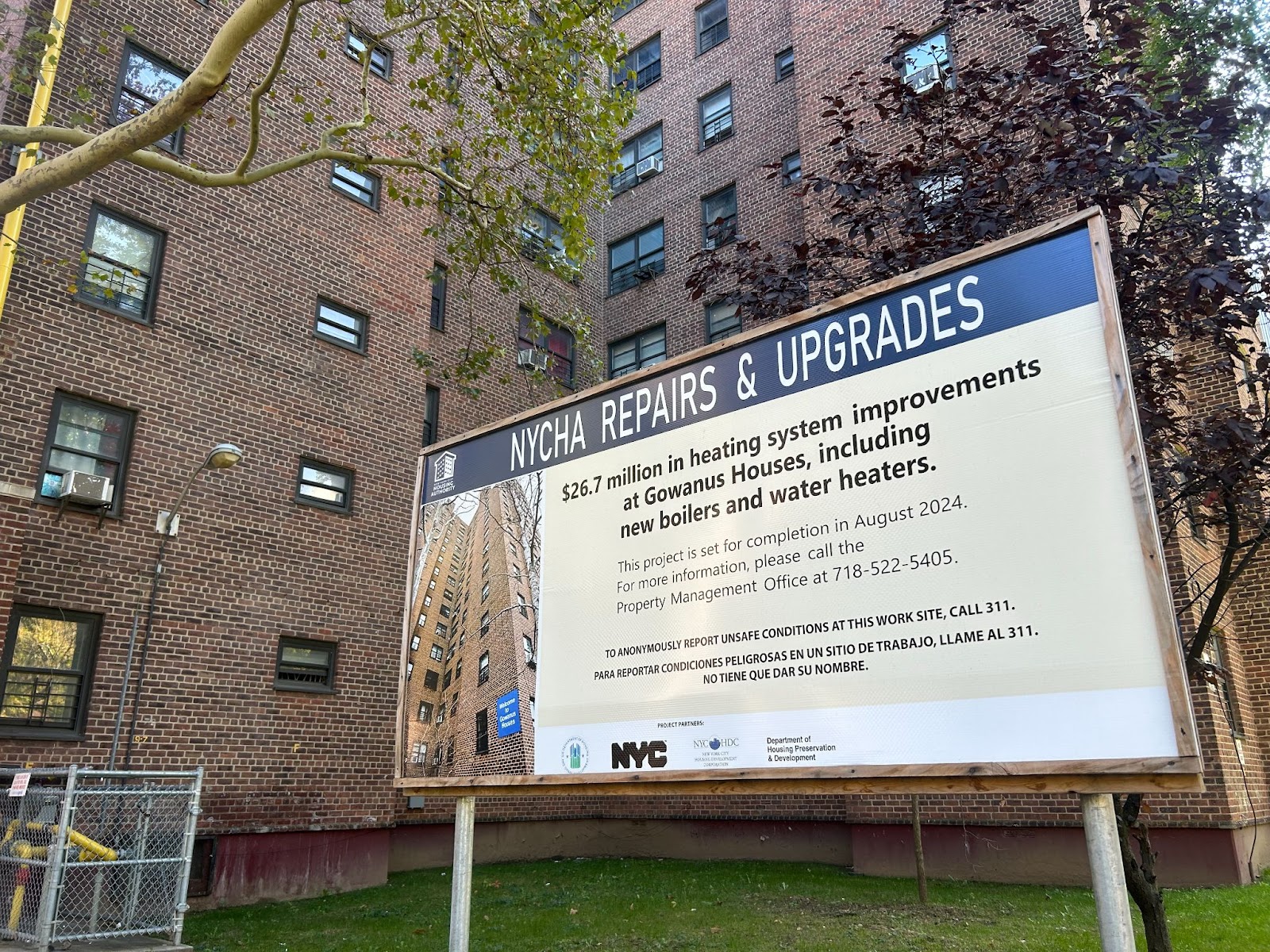
Since the lawsuit, NYCHA has made significant progress with mold repairs. They are currently undertaking improving ventilation, performing complex mold repairs, addressing resident concerns by improving communication through outreach and relying more on data analysis.
From October 2019 to January 2023, the frequency of mold recurrence declined by 55 percent. Since March 2022, open mold inspections have decreased by 73 percent and re-inspections decreased by 61 percent. Following NYCHA’s efforts to identify and address the root causes of mold in 2019, the number of mold work orders was reduced by over 50 percent.
Even though there has been a decrease in mold recurrence and open mold inspections, the amount of mold is still a persistent issue. As of October 2019, NYCHA had 35,718 open parent mold and leak work orders and by January 31, 2023, the number of open parent mold and leak work orders had doubled to 71,114.
As the leaking continues, Ramos can see the mold starting to build up on her bathroom walls and fears it will become a consistent issue.
Regarding the work orders at the time of the lawsuit, only 19 percent of all open mold and leak work orders related to the Baez case had a scheduled date in the future as of February 2023.
Another challenge NYCHA faces is the difficulty of repairing within a specific time frame.
Since the introduction of the Mold Busters program, staff must spend additional time investigating and thoroughly remediating the root causes of mold, which has led to an increased number of steps required to complete mold work orders. According to the Mold Busters process flow, NYCHA must respond within four days of the complaint to schedule an initial inspection and there are eight more steps that follow.
From October 2019 through January 2023, the average days to address non-severe mold work orders increased from 38 to 295 days. It currently takes an average of 301 days to address mold work orders requiring skilled trades and about 38 days to address work orders that can be resolved by development staff – showing it can almost take a year or sometimes a month for repairs to be addressed depending on the severity.
This means residents are sometimes forced to live with these conditions for months and months leading to negative health outcomes.
The report shared that two of the most common root causes of mold at NYCHA are condensation from uninsulated and poorly insulated cold water supply pipes and leaks from aging plumbing pipes – both requiring billions of dollars to repair and be fully functional.
Manhattan Together, a community organization made up of churches and nonprofit organizations with a mission to make positive change, says a high turnover rate and a lack of funding for staffing skilled workers have also contributed to a delay in repairs throughout NYCHA.
NYCHA experiences high turnover rates specifically within leadership. In 2022, the Superintendent position had a 40 percent turnover rate and both the Assistant Superintendent and the Assistant Housing Manager had a 38 percent turnover rate. This is a concern since these positions conduct mold inspections and ensure that skilled trades work orders are scheduled and completed promptly.
“This means having to constantly retrain people and knowing that people are one foot out the door,” Manhattan Together said. “NYCHA knows it and they don’t work to fix it at all.”
The vacancies can also be seen throughout skilled trades positions. The NYCHA report said the biggest obstacle to filling these vacancies is a lack of contract funds to hire the number of contractual staff needed to address open work order backlogs.
However, NYCHA data shows that there are 37 vacant painter positions, 24 vacant plumber positions, 13 vacant plumber positions and 27 vacant plasterer positions. These vacant positions make up more than $100 million of funds that aren’t being efficiently used.
“The monitor is focused on making sure that the funding that is there is used as efficiently and effectively as possible,” the NYCHA Monitor team said. “It’s not just the capital, you can get capital and that’s gonna be important for piping and infrastructure of the building, but at the end of the day, you need somebody to perform the work.”
The results of the ongoing mold issues throughout NYCHA were even on display at the Bronx Documentary Center, where a photo and oral history exhibit showed stories of NYCHA tenants fighting to live and breathe better in the places they call home – Ramos included.
Ramos attends the Monte Sion Christian Church, where her pastor is one of the earliest leaders of Manhattan Together. With the organization, Ramos has been advocating for resident voices in her building to be heard – especially the voices of the elderly and parents who are struggling to take care of their handicapped kids.
She said as management has changed throughout the years, buildings have also been degrading and repairs aren’t done like they used to be. Ramos, who pays about $1,260 a month with her husband, has seen her and her neighbors get delayed repairs that cause worse and worse conditions.
“I remember management coming in and knocking on doors,” she said. “That doesn’t happen anymore. You have to beg now. It’s a whole different ballgame.”
Blanca ramos, 65-year-old NYCHA resident and advocate
“I remember management coming in and knocking on doors,” she said. “That doesn’t happen anymore. You have to beg now. It’s a whole different ballgame.”
Nonetheless, NYCHA says they are confident that their efforts to address mold issues will continue to be effective if they obtain additional funding for capital repair and the work order backlog, use innovative strategies and implement an agency-wide prioritization of mold remediation.
Even though residents endure poor living conditions and often have to advocate for themselves, they are still grateful for what NYCHA has brought them – a place to call home.
Before NYCHA, Ramos and her family were living in a tenement building full of roaches and rats. She was being raised by a single mother on welfare who was struggling to make rent and worried about being evicted all of the time. Once they moved into public housing, she felt like it was a huge upgrade.
“You have to make the best of it because you want to give your kids a nice bed to sleep on, a clean room and a place to feel comfortable,” Ramos said. “Moving into NYCHA was like moving into a castle.”
She worries that NYCHA’s focus on privatization and delay in improving the poor living conditions is going to bring NYCHA down as an entity. Even with small improvements, she said there is still a sense of negligence and hopes NYCHA can be what it used to be for her and her neighbors.
“I just feel that NYCHA is not going to be here for a long time,” she said. “I feel that people with money know the treasure that these buildings are.”
 Maya Brown